Technology Changes Every Day — How Do Apps Stay Alive?
Packages and libraries change daily. Apps that continue to be used are designed and maintained with this reality in mind.
Posted by: Dave Lee
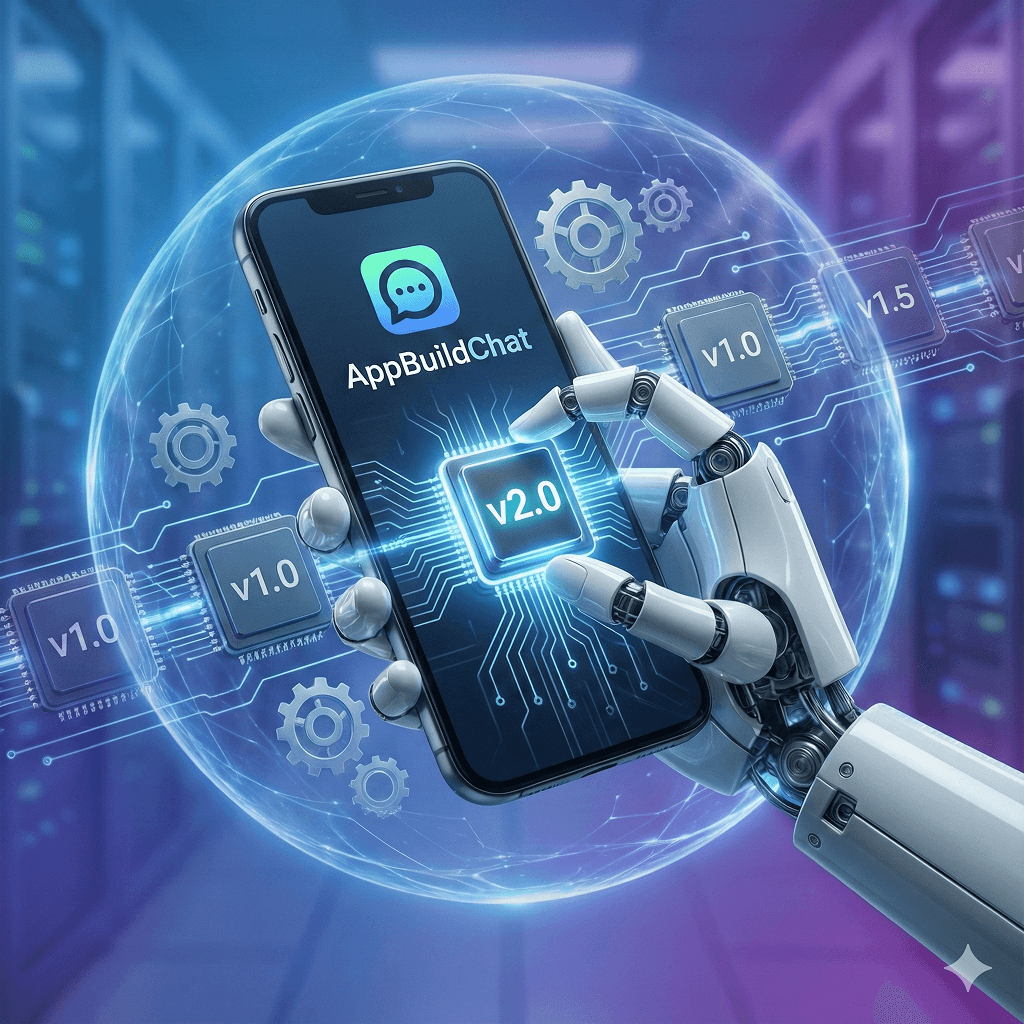
The moment an app is finished, maintenance begins
When people first build an app, many think, “It’s done now.”
In reality, the moment an app is completed, it becomes something that must be maintained.
The libraries, frameworks, SDKs, and server environments used inside an app are updated constantly.
Operating systems release new versions, and app store policies quietly change their standards.
These changes may not be immediately visible, but over time they create problems throughout the app.
One day, the app may suddenly crash on a specific device.
After an update, login errors may appear.
Existing features may start behaving differently than expected.
Most app issues don’t happen because the initial build was poorly designed, but because the app was not managed with ongoing change in mind.
A Shift in Thinking: An app is not a “build once and finish” product
If you think of an app as a one-time project, maintenance always becomes an afterthought.
But in real service environments, an app is a product that constantly interacts with external systems.
New OS versions, security updates, and policy changes are not optional—they are assumptions.
If an app fails to respond to these changes, it gradually becomes unstable, and users experience friction without knowing why.
In the end, app quality depends less on how well it was built at launch, and more on how well it adapts to change over time.
Decision Criteria: What apps that last actually manage
Apps that continue to work smoothly over time follow different maintenance standards.
First, they continuously monitor updates to the packages and libraries they use.
Not every update is applied blindly.
Teams evaluate which changes affect security and which may impact functionality.
Second, when updates or fixes are required, they are verified against real app flows.
It’s not enough that a build succeeds—key features must behave exactly as before, and frequently used user flows must be tested directly.
Finally, all changes are applied with the user experience as the primary standard.
Being “technically up to date” is never a reason to break UX.
Apps without this standard gradually accumulate small issues and lose user trust over time.
How AppBuildChat handles ongoing change
AppBuildChat does not treat apps as one-time deliverables.
Whenever an app is updated or modified, human reviewers directly examine changes in the core packages and libraries used by that app.
They determine which updates are essential, and whether applying them will affect existing functionality or design flow.
Unnecessary updates are not forced.
When updates are required, they are applied carefully—often alongside related feature adjustments—to maintain stability.
The guiding principle throughout this process is simple: users should not feel the change.
As a result, apps do not suddenly feel unfamiliar after updates. Existing user experiences remain intact and consistent.
Conclusion: True app quality is the ability to endure time
The technical barrier to building apps is lower than ever. Yet apps that remain usable over long periods are still rare.
The difference is not the number of features or how closely they follow design trends, but how they approach change.
Technology evolves every day.
Environments continue to shift.
Only apps designed and maintained with this reality in mind survive long term.
An app’s true completeness is not proven at launch, but by whether it still works reliably one, two, or more years later.
Summary
From the moment an app is completed, it is exposed to change.
Packages, libraries, operating systems, and policies continuously evolve.
Apps that remain in use are managed with this reality in mind, applying updates carefully with human review.
App quality is not defined at launch, but by how well it withstands time.